

Infrastructure
Digital Twin
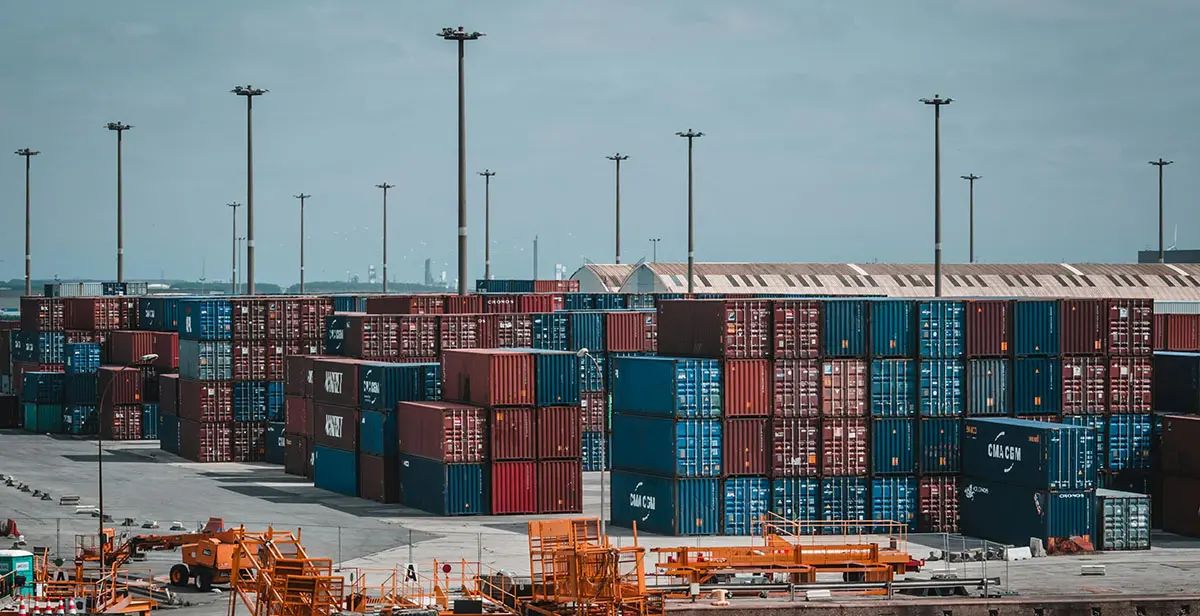

Managing a complex port requires a clear view of what is happening across a constantly changing environment. Port of Antwerp-Bruges wanted to bring its physical infrastructure and operations into a digital environment to better understand the port and support more informed decision-making.



With hundreds of liner services and thousands of destinations, managing the logistics at the Port of Antwerp-Bruges is no small feat. From ship arrivals and cargo handling to port transit and departures, countless processes and stakeholders must work together seamlessly. Any disruption to the schedule can have a ripple effect across the entire operation. In other words: precise planning is not a nice-to-have, but a must-have.

1
Increased understanding of operational interdependencies within the port.
2
Improved ability to proactively identify and resolve issues.
3
Enhanced efficiency through process optimisation and pain point identification.
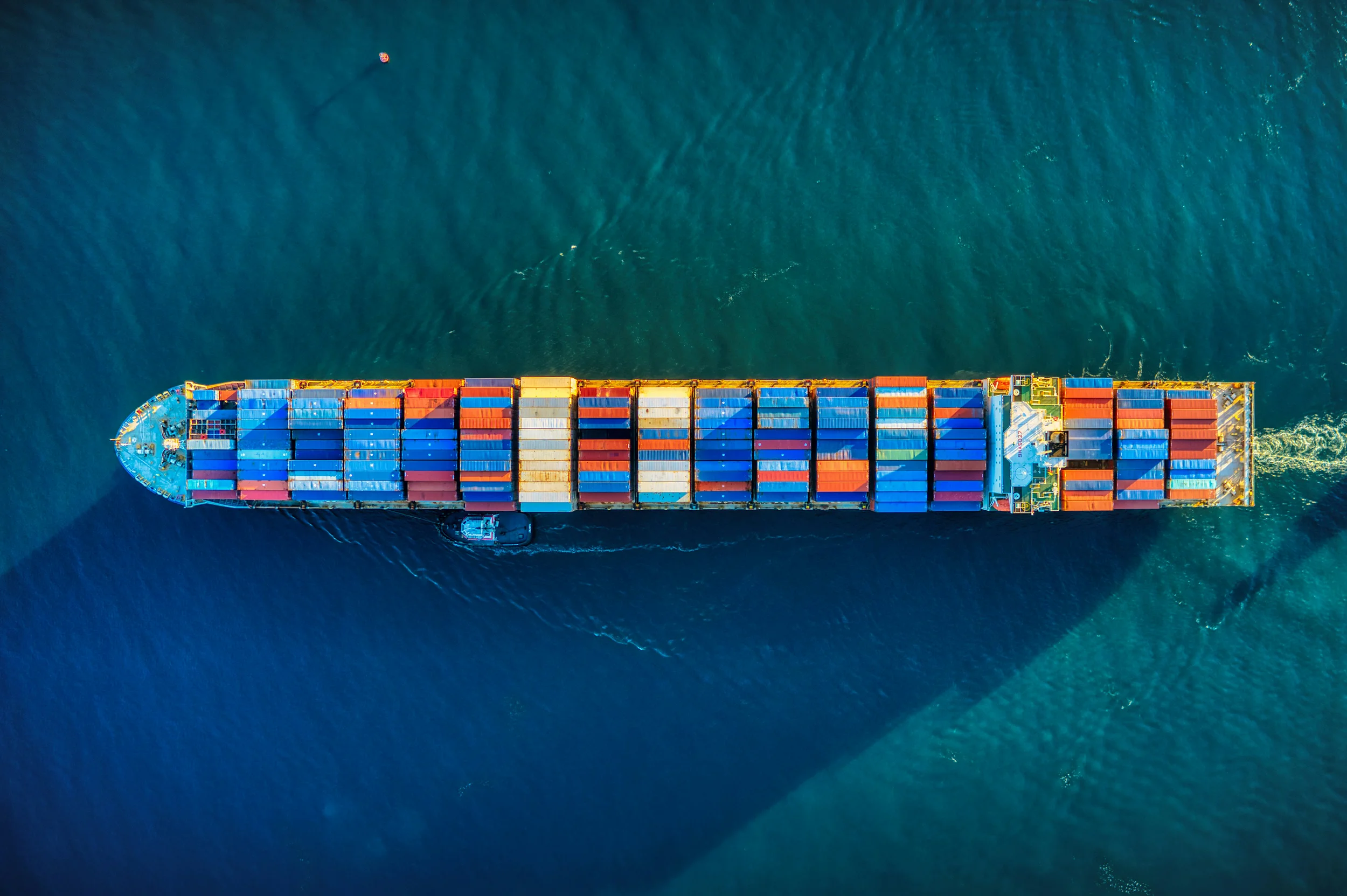
To tackle this challenge, RoboRana's intelligent automation experts created a digital twin of the port's entire nautical logistics chain. Powered by AI and process mining, it provides a detailed view of how the port's different processes work together.
For this project, combined data from the port's own systems with external data, such as weather forecasts, that can have a significant impact on operations. This approach allows the Port of Antwerp-Bruges to get a much better understanding of how different factors can affect their day-to-day operations, helping them to become more efficient and avoid potential problems.
The digital twin lets the Port of Antwerp-Bruges to make smarter decisions based on real-time data and insights. They can spot issues and deal with them before they snowball into bigger problems, preventing the ripple effect we mentioned earlier – and saving a lot of resources.
But that's not all! Besides guaranteeing their current operations, the digital twin also highlights areas where the port can make changes to improve their processes in the future. For example, it shows where bottlenecks in the throughput are created, and which workflows can be optimised. A handy tool that the port loves to use, that's for sure.






.jpg)

.jpg)

%20copy.webp)